JNTO Opens the Door — What Japan Luxury Showcase 2026 Means for Your Business
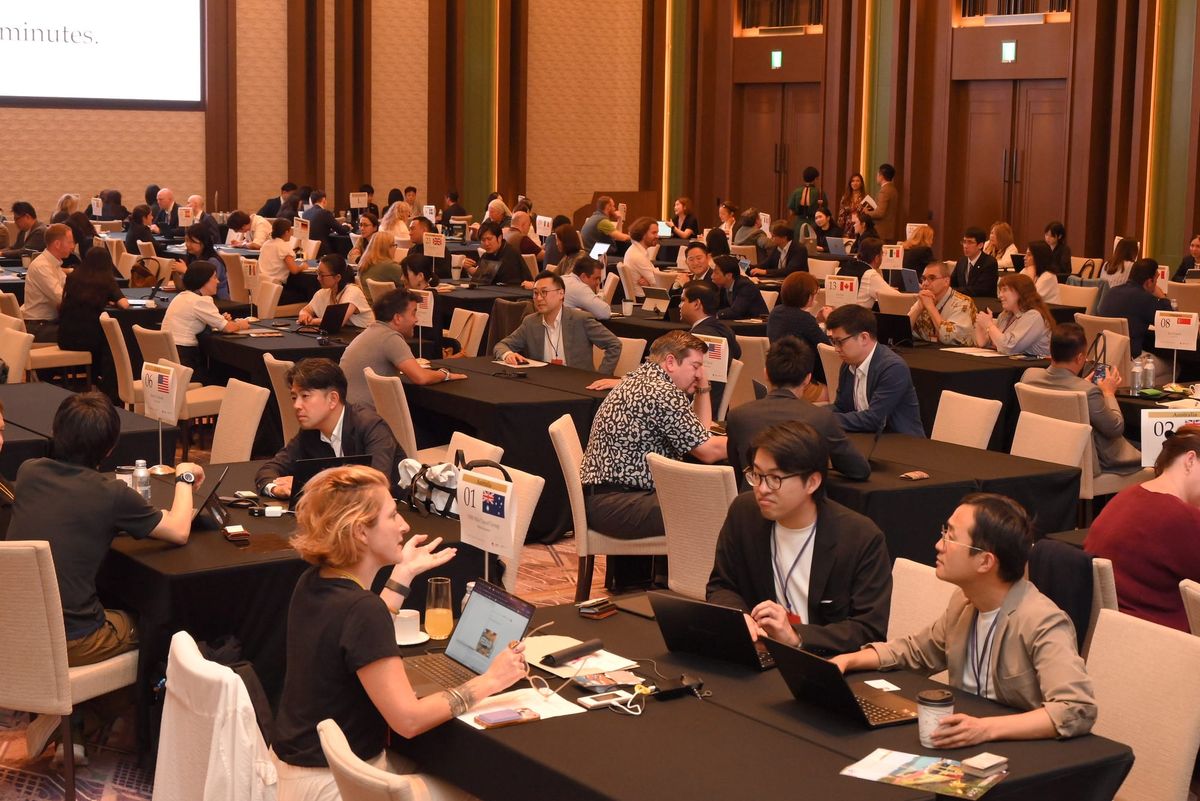
For the first time in its nine-year history, Japan National Tourism Organization (JNTO) brought Japan Luxury Showcase to Osaka — and the shift signals more than a change of venue. Held on 21–22 May at Waldorf Astoria Osaka, this year's event brought together 40 luxury travel companies from 16 markets across Europe, the Americas, Oceania, and — for the first time — Singapore, alongside 60 Japanese sellers including hotels, ryokan, DMCs, and transportation operators.
The Numbers Behind the Strategy
High-value travelers — defined as those spending JPY 1 million or more per trip, excluding international airfare — represent just 2% of all inbound visitors to Japan. Yet they account for approximately 19% of total visitor spending, or roughly JPY 1 trillion. The challenge JNTO is working to solve: the majority of that spending is concentrated in major cities, with regional Japan capturing very little.
This is the core logic behind Japan Luxury Showcase. Rather than simply growing visitor numbers, JNTO is focused on building the connections — between overseas travel companies and Japan-based DMCs, hotels, and experience providers — that make regional high-value itineraries commercially viable.
What the Fam Trip Revealed
Before the trade sessions, buyers spent four days on familiarisation trips across ten itineraries, each centred on one of the Ministry of Land, Infrastructure, Transport and Tourism's designated model tourism destinations. The routes covered Eastern Hokkaido, Yamagata, Nasu, Niigata, the Mt. Fuji foothills, Matsumoto, Ise-Shima, the Kii Peninsula, Setouchi, and San'in.
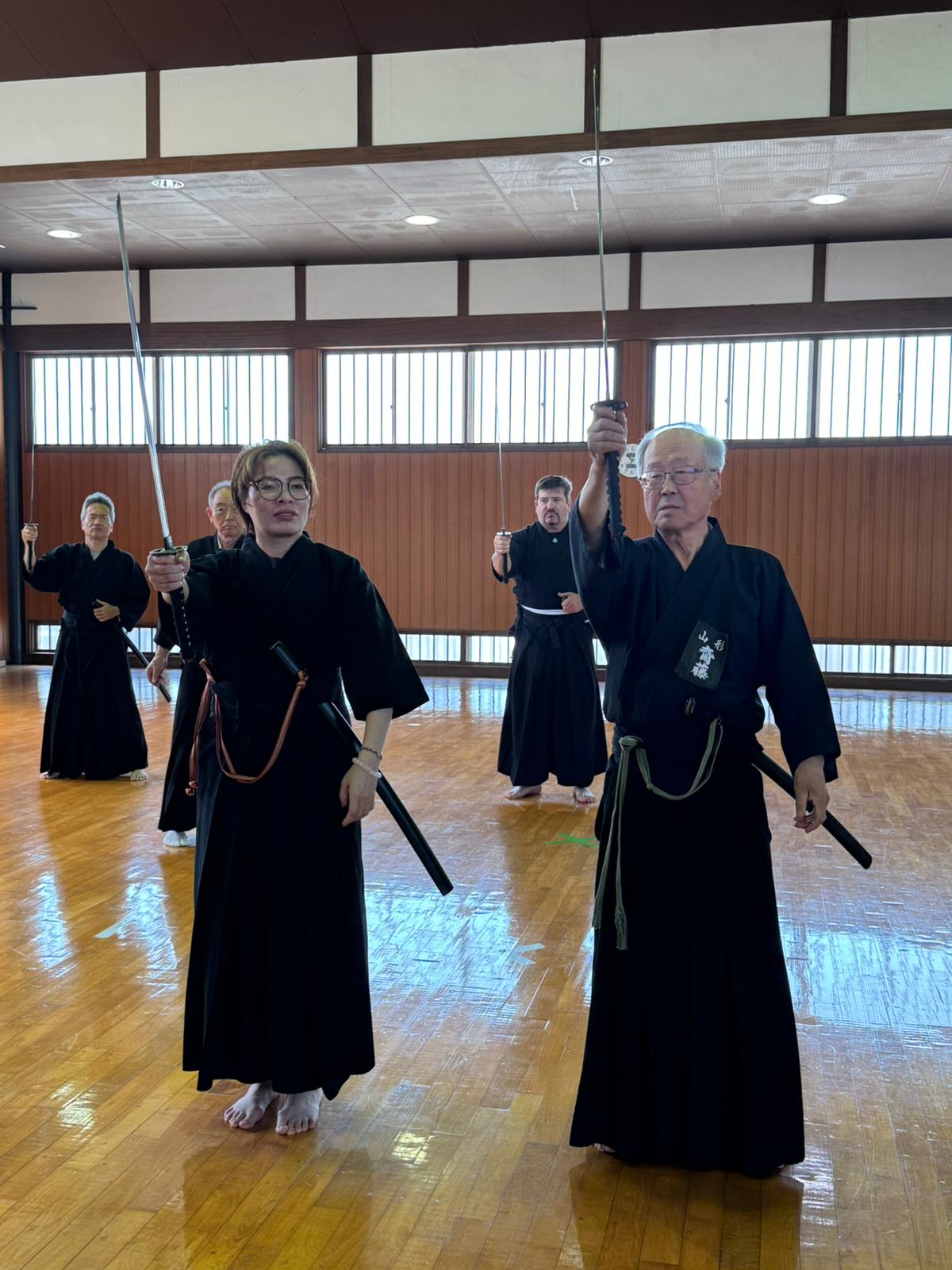
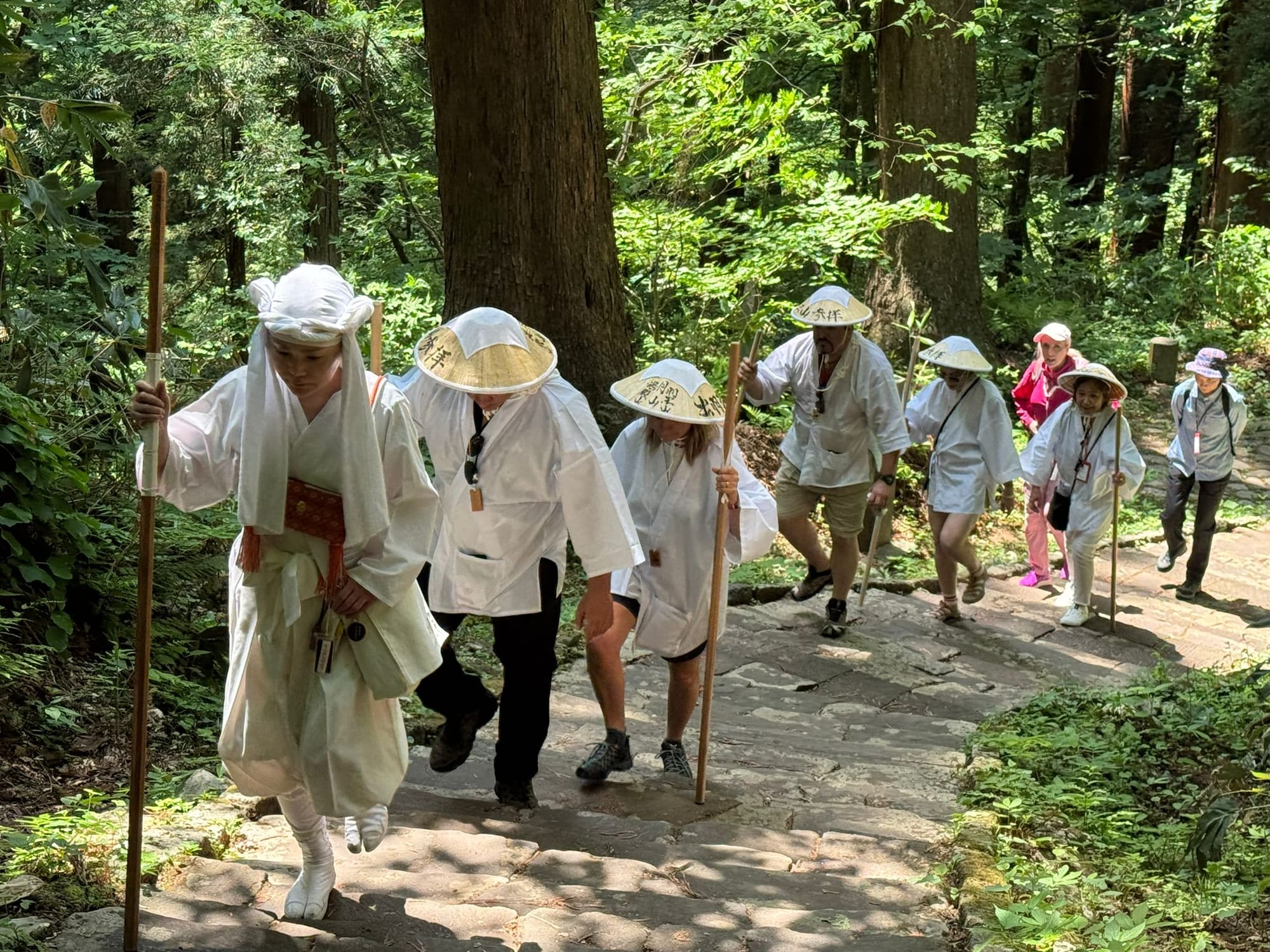
Two experiences from the Yamagata itinerary stand out as indicators of what resonates with this market. The iaijutsu samurai experience — held at a shrine considered the birthplace of iaido — drew one of the strongest responses of the trip: "One of the most unique and authentic cultural experiences I've had in Japan. This is exactly the kind of experience clients request, and I now feel confident recommending it." The yamabushi mountain ascetic training on Mt. Haguro, meanwhile, offered something harder to replicate: "A truly unique fusion of culture, spirituality, and nature. It deepened my understanding of the connection between the mountain, faith, and local life — and had an atmosphere that was both authentic and deeply calming."
In Eastern Hokkaido, an Ainu cultural guided tour led by a guide of Ainu descent generated equally strong feedback: "An outstanding experience unlike anything else — rich with knowledge, delivered with genuine passion. It deepened understanding of the forest, wildlife, and culture in a way nothing else could."
What these experiences share is specificity. They are not approximations of Japanese culture — they are rooted in particular places, particular traditions, and particular people. That is increasingly what high-value clients are looking for, and what differentiates a compelling Japan itinerary from a generic one.
A Market Being Built in Real Time
The trade sessions themselves — 40 buyers, 60 sellers, across two days at one of Osaka's newest luxury properties — reflect how seriously JNTO is investing in the supply side of this market. The seller roster spans global names alongside specialist DMCs and regional operators that most overseas travel companies would have no other route to meeting.
JNTO has also shifted the event from February to May, partly to address weather constraints in northern Japan, but also to make a deliberate case for green-season travel — a period that tends to be underrepresented in high-value itineraries despite offering some of Japan's most compelling natural landscapes.
As one JNTO representative noted: "There is a very strong and growing desire among travel companies to introduce clients who have already visited Japan to destinations they don't yet know. The demand for new regional experiences is real — and it's increasing."
For travel companies actively designing or expanding Japan programmes, that demand is both a challenge and an opportunity. Events like Japan Luxury Showcase exist precisely to close the gap.
Why it matters
JNTO is no longer just promoting Japan — it is actively building the commercial infrastructure to make regional high-value travel bookable.
For travel companies, this means:
- Regional Japan is no longer a niche. The supply side — hotels, DMCs, experience providers — is being organised and made accessible at scale
- The experiences that generate the strongest buyer response are those rooted in place-specific culture, not generic "Japan." Specificity is the product
- A direct channel to Japan's high-value supply side now exists, and it is expanding. Japan Luxury Showcase is one of the clearest entry points into it